

Vet Visit Checklist for First Time Pet Owners What to Expect and How to Prepare
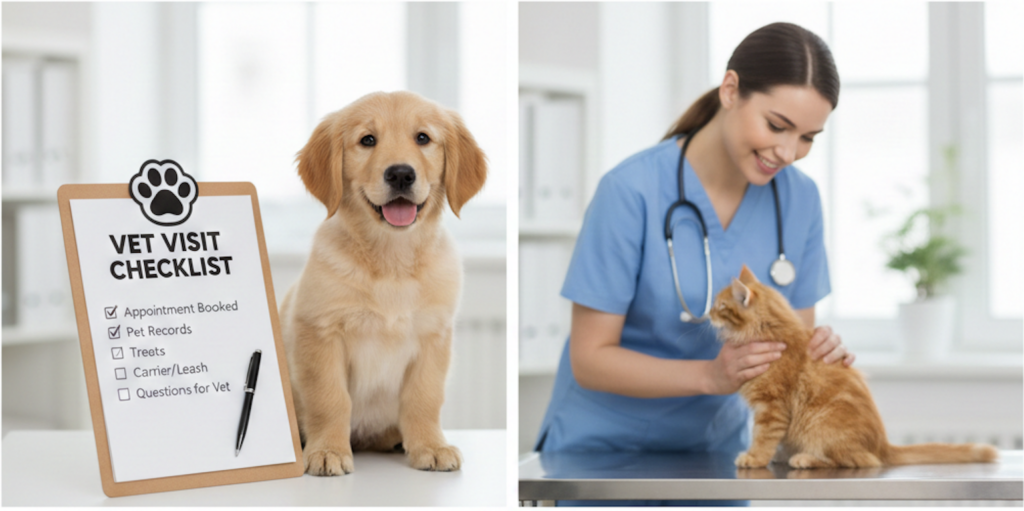
Taking your pet to the vet for the first time can feel overwhelming. As a new pet owner, it is normal to feel unsure about what to expect, what questions to ask, or how to prepare so the visit goes smoothly. The good news is that a little preparation can make the experience far less stressful for both you and your pet.
This guide explains what typically happens during a first veterinary visit and how you can prepare ahead of time so you feel confident and informed.
Why the First Vet Visit Matters
Your pet’s first visit to the veterinarian plays an important role in their long term health. It is not just a routine checkup. This visit helps establish a relationship with a veterinary clinic, sets a baseline for your pet’s health, and allows potential issues to be identified early.
As a pet owner, you understand the importance of regular veterinary care.
For puppies and kittens, early visits support proper growth, vaccinations, and parasite prevention. For adopted or adult pets, a first visit helps the veterinarian understand their background and assess their current condition. No matter your pet’s age, this appointment lays the foundation for future care.
How to Prepare Before the Appointment
Preparation begins before you arrive at the clinic. If possible, schedule your appointment during a quieter time of day, such as mid morning or early afternoon. This can help reduce anxiety, especially for pets that are nervous around other animals.
Gather any medical paperwork you have, including vaccination records, spay or neuter documentation, or notes from a previous owner or shelter. Even incomplete information can still be helpful. If you do not have records, let the clinic know ahead of time so they can plan accordingly.
In the days leading up to the visit, pay attention to your pet’s behavior. Notice their appetite, energy level, bathroom habits, and any changes that seem unusual. These observations give the veterinarian valuable insight into your pet’s overall health.
What to Bring With You
Bringing the right items can make the visit more comfortable and productive. Dogs should be on a secure leash, while cats and smaller animals should be transported in a carrier to ensure safety.
Bring any medical records you have, along with a list of medications or supplements your pet is currently taking. Writing down your questions in advance can help you stay focused during the appointment, especially if you feel nervous or overwhelmed.
If your pet has a favorite toy, blanket, or item that provides comfort, bringing it along may help them stay calm in an unfamiliar environment.
What Happens During the Vet Visit
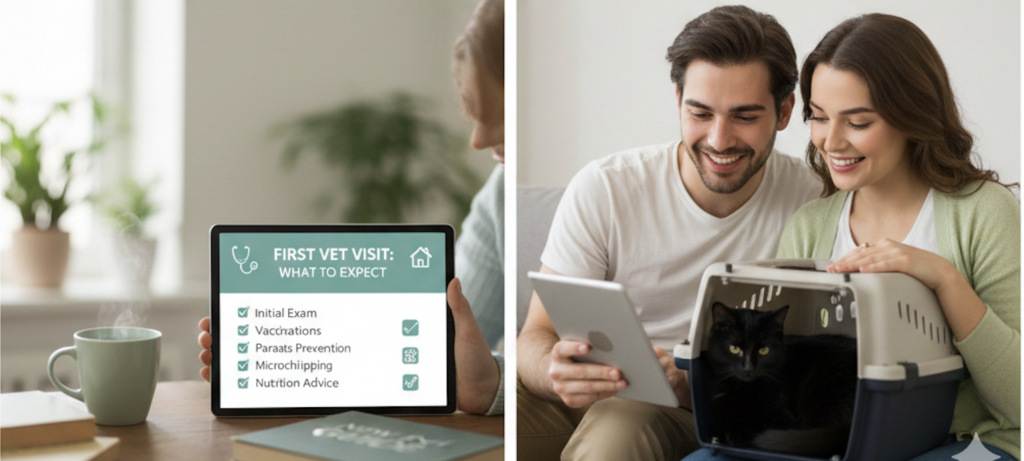
Most first visits begin with a full physical examination. The veterinarian will check your pet’s weight, eyes, ears, teeth, skin, coat, heart, lungs, and abdomen. While this process may seem routine, it allows the vet to spot early signs of potential health concerns.
You will be asked questions about your pet’s diet, daily routine, behavior, and activity level. There is no need to worry if you are unsure about every detail. Being honest and sharing what you do know is far more helpful than guessing.
Depending on your pet’s age and medical background, the veterinarian may recommend vaccinations, parasite prevention, or basic laboratory tests. For younger pets, this often includes creating a vaccination schedule. For adult pets, blood work may be suggested to establish a healthy baseline.
Questions First Time Pet Owners Should Ask
Your first vet visit is the best time to ask questions, even if they seem simple. Many new pet owners want guidance on feeding routines, food quality, treat safety, and portion sizes.
It is also helpful to ask about dental care, grooming needs, exercise requirements, and warning signs that may indicate illness. Learning what is normal for your pet makes it easier to notice when something is wrong.
If your pet shows signs of anxiety, fear, or reactivity, ask for advice on how to reduce stress during future visits. Many clinics can recommend gentle handling techniques or training strategies that make appointments easier over time.
After the Visit What Comes Next
After the appointment, take time to review any instructions provided by the veterinarian. This may include medication schedules, vaccination reminders, or dietary recommendations. If something is unclear, do not hesitate to contact the clinic for clarification.
Establishing a routine of regular checkups helps maintain your pet’s health and makes future visits more familiar and less stressful. As you gain experience, you will feel more confident navigating your pet’s care and recognizing when professional help is needed.
Choosing the Right Vet for the Long Term
Not every veterinary clinic is the right fit for every pet or owner. You should feel comfortable asking questions, discussing concerns, and participating in care decisions. A good veterinarian communicates clearly and treats both you and your pet with respect.
If you are still searching for a trusted provider, look for clinics with positive reviews, transparent pricing, and a welcoming atmosphere. Finding the right vet early can make a lasting difference in your pet’s quality of life.
Need Local Pet Grooming
If you are looking for trusted groomers, walkers, sitters, or trainers in your area, visit Teefsy.com, a simple and helpful pet care directory where you can search for local pet services near you and connect with providers that fit your needs.

Disclaimer
This blog post is for general informational purposes only and is not written by a licensed veterinarian or certified pet care professional. Always consult with a qualified veterinarian, groomer, or pet care expert before making decisions related to your pet’s health, grooming routine, or overall care.